 Logma
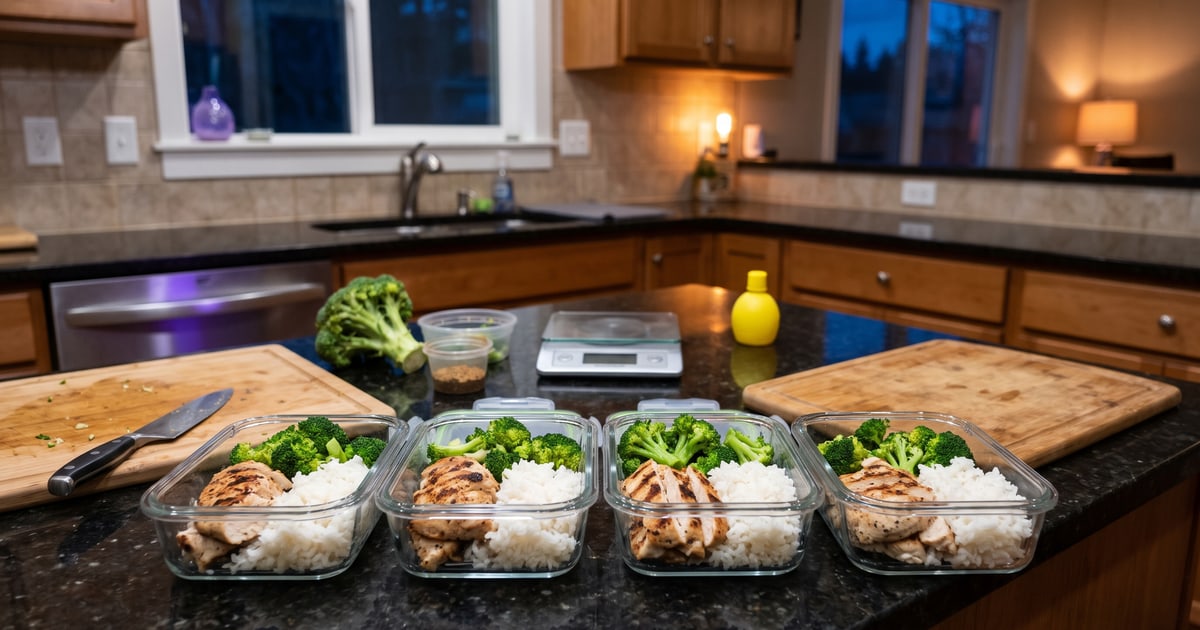
A cooked, skinless chicken breast has about 31 grams of protein per 100 grams, which means an average breast, around 6 ounces or 174 grams cooked, gives you roughly 54 grams of protein for about 287 calories. Close to three quarters of those calories come from protein, one of the best ratios of any whole food. That is why it shows up in almost every high protein search right now.
The number people get wrong is which chicken they are measuring. Raw and cooked are not the same, and skin, oil and breading change the calories fast even though the protein barely moves. Here are the figures in the portions you actually eat, plus how much you need and how to log it without weighing every piece.
Chicken breast protein and calories, by the portion you eat
These are cooked, skinless, boneless numbers, roasted with nothing added, from USDA FoodData Central. Protein sits near 31 grams per 100 grams and calories near 165.
| Portion (cooked) | Protein | Calories |
|---|---|---|
| 1 oz (28 g) | 9 g | 46 |
| 3 oz (85 g), a deck of cards | 26 g | 140 |
| 4 oz (113 g), a palm | 35 g | 186 |
| 1 average breast (6 oz, 174 g) | 54 g | 287 |
| 100 g | 31 g | 165 |
So one plain breast covers roughly a third to a half of a day's protein for most people, which is why it is the default for anyone chasing a protein target. If you want snack sized ways to top up the rest, I put together high protein snacks under 200 calories for exactly that.
Raw or cooked? Why the number jumps
Most package labels show raw chicken: about 120 calories and 22.5 grams of protein per 100 grams. Cooked chicken reads higher per 100 grams, around 165 calories and 31 grams, because heat drives out water and what is left is more concentrated. The chicken did not gain protein. It just lost weight.
In practice an 8 ounce (227 g) raw breast loses about a quarter of its weight and ends up near 6 ounces (170 g) cooked. The protein in that one breast, roughly 51 to 54 grams, is about the same before and after. What changes is the number you read off the scale, so always match your figure to the state you are weighing: raw number for raw chicken, cooked number for cooked.
Skin, oil and breading change everything but the protein
The breast itself is lean. It is what touches it that moves the calories.
- Skin on, roasted: about 195 to 200 calories per 100 grams, with the fat climbing from under 4 grams to around 8. Protein stays near 30 grams.
- Cooked in oil or butter: a tablespoon of oil is about 120 calories, and it all ends up in the pan and on the chicken. That can add more calories than the breast had to begin with.
- Breaded and fried: a crispy chicken breast sandwich patty can run 350 calories or more before the bun, most of it from the breading and the fryer, not the meat.
This is the part a food photo cannot see. A grilled breast and the same breast pan fried in butter look identical in a picture, but the butter is real calories. When you log, the fix is to say the oil out loud:
"A grilled chicken breast, about the size of my palm, with a cup of rice and a drizzle of olive oil."
Name the oil and it gets counted. Leave it out and your log quietly runs low all week.
How much protein do you actually need?
The baseline for a sedentary adult is 0.8 grams of protein per kilogram of body weight, about 0.36 grams per pound. That is the floor to not lose muscle, not the target if you are training.
If you lift or you are eating in a deficit, more helps. A 2018 meta analysis in the British Journal of Sports Medicine pooled 49 studies and found muscle gains from extra protein flattened out at about 1.6 grams per kilogram per day, roughly 0.7 grams per pound. Most sports nutrition guidance lands in a 0.7 to 1.0 gram per pound range for people building or holding muscle.
For a 160 pound (73 kg) person that works out to about 112 to 160 grams of protein a day. I broke the whole calculation down, in kilos and pounds, in how much protein per kg you really need. If you also want a calorie number to build the rest of your day around, the free calorie calculator gives you one.
Turning your target into chicken
Say that 160 pound person aims for 130 grams of protein. One average breast is 54 grams, so chicken alone would mean about two and a half breasts, which nobody wants to eat every day. The point of the number is to spread it: a breast at lunch, eggs or Greek yogurt at breakfast, a scoop of whey or some cottage cheese to fill the gap.
A few quick anchors to do the math in your head:
- Want 100 grams of protein from chicken alone? That is about 325 grams cooked, roughly two average breasts, for around 535 calories.
- A palm sized piece, about 4 ounces cooked, is close to 35 grams. Two palms a day already covers most people's lunch and dinner protein.
- Chicken breast and thigh are close on protein. Thigh has about 25 to 26 grams per 100 grams, but more fat, so more calories for the same protein. Breast wins if calories are tight, thigh wins on taste.
Logging chicken without weighing every piece
You do not need a kitchen scale on the counter forever. Your hand travels with you, and it is a decent ruler: a cooked palm is roughly 4 ounces and 35 grams of protein, a deck of cards is about 3 ounces and 26 grams. That gets you within range, which for day to day tracking is enough. I made the full case for this in how to track calories without weighing your food.
This is where Logma fits in. Instead of searching a database and fixing the serving size, you say or type the plate in one sentence and it logs the calories and protein in about 5 seconds, in English or Turkish, with no account to set up. Say "200 grams of grilled chicken breast" and you get the protein back right away, or keep it loose with "a palm of chicken and a cup of rice" when you did not weigh anything.
Being honest about the trade: if you weigh every gram and want macros to the decimal, a scale plus a tracker you edit by hand will always be a touch more precise. Logma trades a little of that precision for speed, because a log you actually finish beats a perfect one you skip. Logma is iPhone only for now, on iOS 17 or later, and there is no free tier, the yearly plan starts with a 3 day free trial.
FAQ
How much protein is in 100g of chicken breast?
About 31 grams in 100 grams of cooked, skinless chicken breast, for roughly 165 calories. Raw chicken breast is lower per 100 grams, about 22.5 grams of protein and 120 calories, because cooking removes water and concentrates what is left.
How much protein is in one chicken breast?
An average cooked breast is about 6 ounces, or 174 grams, and carries roughly 54 grams of protein for about 287 calories. Smaller breasts closer to 4 ounces land near 35 grams.
Does cooking chicken increase its protein?
No. Cooking does not add protein, it removes water, so the per 100 gram number looks higher. The total protein in one breast is about the same raw or cooked, around 51 to 54 grams. Only the weight changes.
Is chicken breast or thigh higher in protein?
Breast is slightly higher and leaner, about 31 grams of protein per 100 grams cooked versus roughly 25 to 26 grams in thigh. Thigh has more fat, so it brings more calories for the same protein. Pick breast when calories are tight.
How much chicken do I need to eat for 100g of protein?
About 325 grams of cooked chicken breast, roughly two average breasts, for around 535 calories. Most people hit their daily target more comfortably by spreading protein across chicken, eggs, dairy and a shake rather than eating chicken all day.
Can I track chicken protein just by talking?
Yes. With Logma you say or type what you ate, like "a grilled chicken breast and a cup of rice," and it logs the calories and protein in about 5 seconds. Say the grams when you weighed it, or keep it loose with a palm or a breast when you did not.
Sources: USDA FoodData Central, chicken breast, meat only, cooked, roasted · Healthline, How Much Protein in Chicken (USDA based) · Morton et al., protein supplementation and resistance training, British Journal of Sports Medicine (2018) · USDA FoodData Central, chicken breast, meat only, raw. Numbers are approximate and can change; nothing here is medical advice.